

-
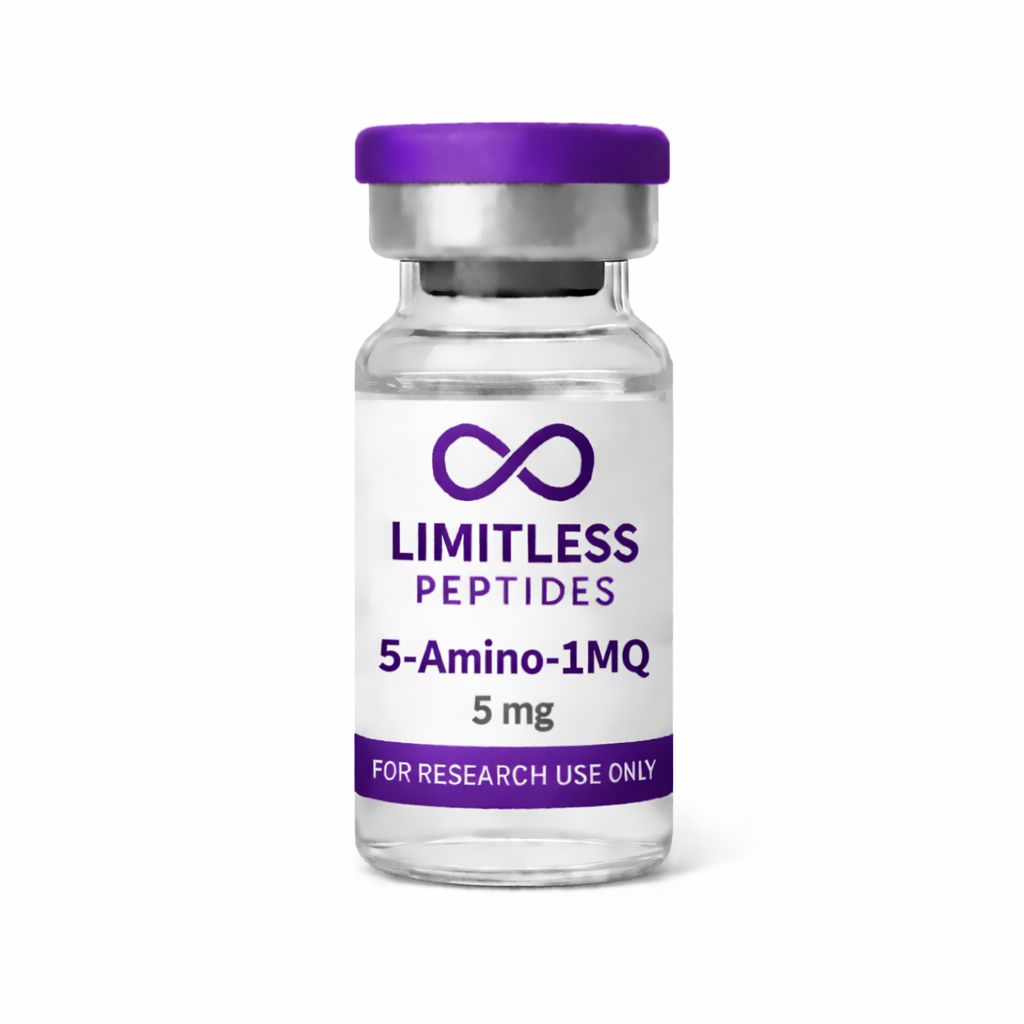
5-Amino-1MQ 5mg
£18.90 -
BPC-157 5mg
£17.90 -
GHK-Cu 50mg (Copper Peptide)
£23.90
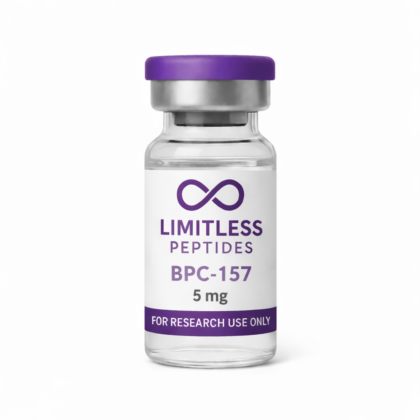
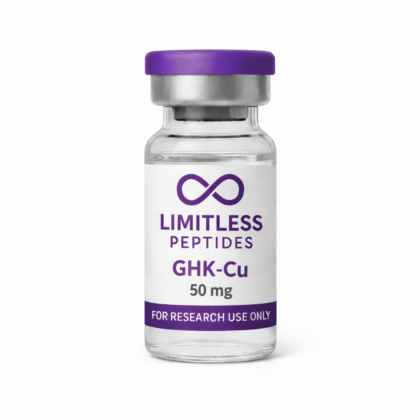
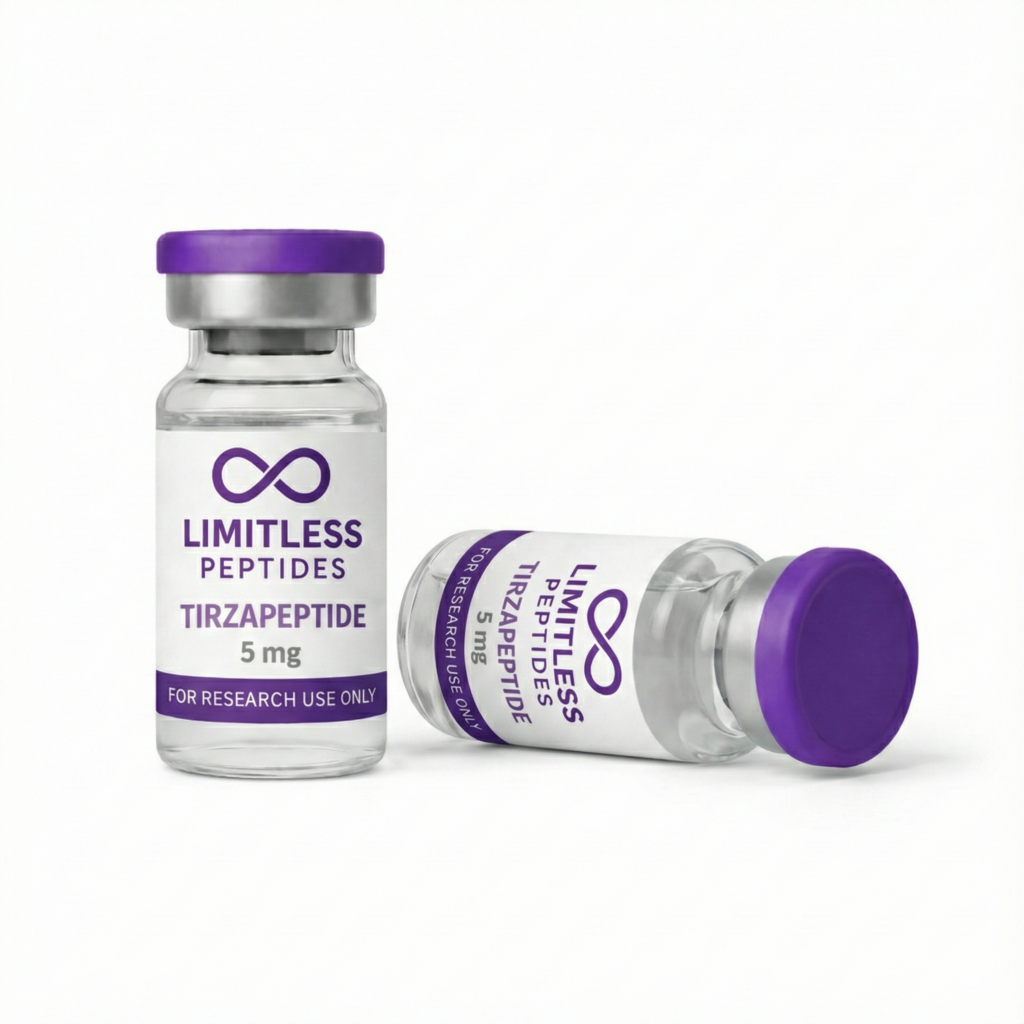
Minimum 99% purity (HPLC-verified) for reliable, consistent results. Lyophilized (freeze-dried) stability for maximum shelf life.
Quick processing and 100% discreet packaging. Same day dispatch if ordered before 3pm UK time
Every batch includes a Certificate of Analysis for validation of purity and potency.
How Are Peptides Made?
Peptides are made by joining amino acids together using a special bond called a peptide bond. This bond is formed when the amino group (–NH₂) of one amino acid combines with the carboxyl group (–COOH) of another amino acid, releasing a molecule of water.
Each amino acid has a central carbon atom, surrounded by:
Sometimes, these R groups can interfere with the process of joining the amino acids, so they need to be temporarily protected with special chemical groups until the peptide chain is complete.
In laboratories, peptides are typically made using a method called solid-phase peptide synthesis. Here’s how it works:
Once all the amino acids are in place, the peptide is carefully removed from the solid support. A special acid is used to break the bond between the peptide and the solid support, and it also removes any remaining protective groups on the amino acids.
This step-by-step process allows scientists to create peptides with specific sequences of amino acids for use in research, medicine, or other applications.
Due to the nature of our products, we do not accept returns unless the item is damaged or incorrect. Contact us within 7 days of delivery.
Yes, we provide Certificates of Analysis (COAs) for all our peptides. You can request them by emailing contact@vitalitypeptides.co.uk.
For Royal Mail shipments, visit their tracking website and enter your tracking number for the latest information.
We understand the importance of timely deliveries. Please allow up to seven days for your parcel to arrive before contacting us. This helps accommodate any minor shipping delays.
International deliveries may be held in customs, causing delays beyond our control. If customs request additional documents, we are here to assist, but resolution time depends on customs authorities.
Yes, all orders are shipped in plain, unbranded packaging with no logos or product names visible on the outside. We understand the importance of privacy and ensure that parcels are handled discreetly from dispatch to delivery. The return address is also neutral, with no reference to peptides or research products.
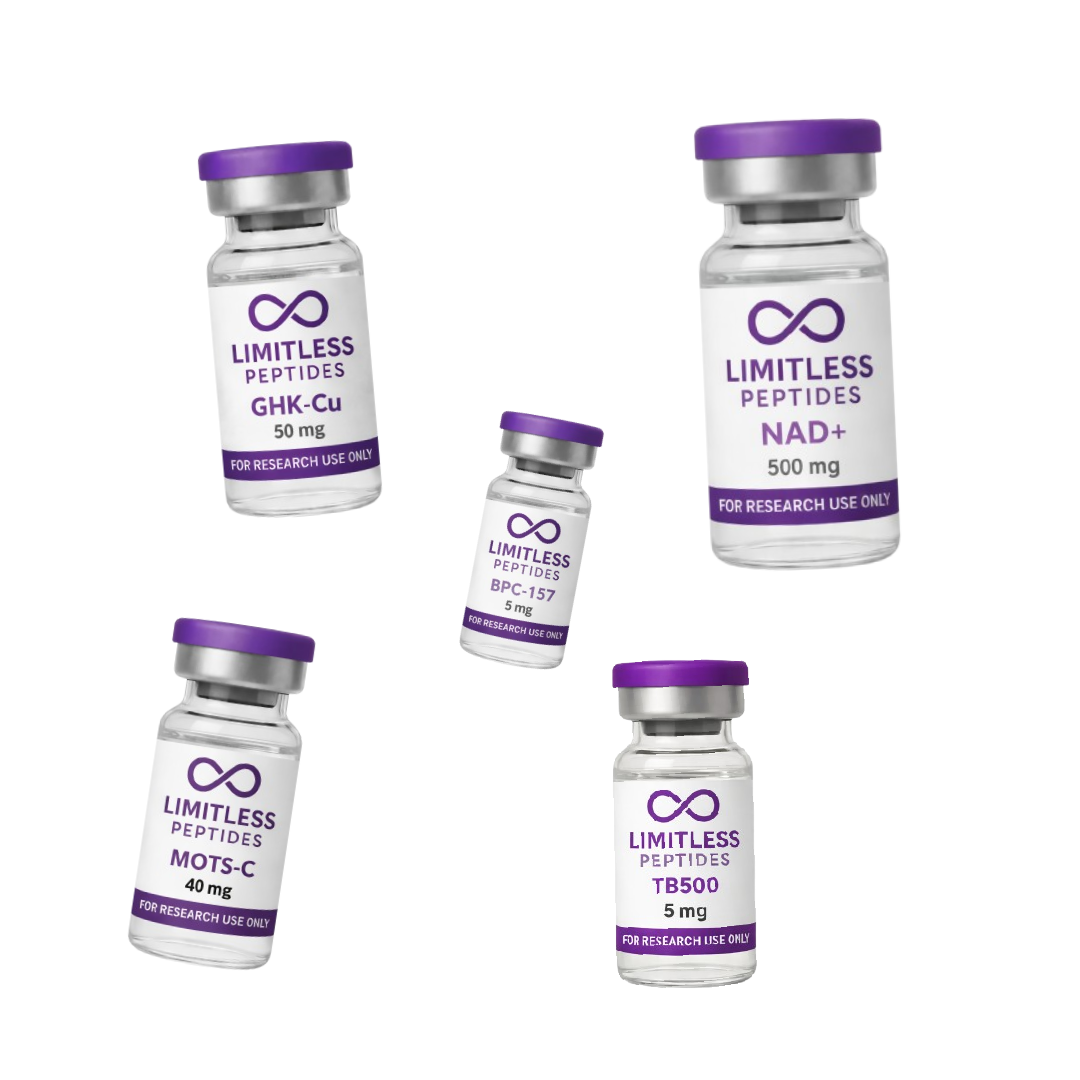
Like many other peptide suppliers, we use computer-generated images on our website. This is because actual product photos often don’t display well—mainly due to the small size of the vials.
Additionally, the labels on our real products are made from metallised polyester, a highly durable material that withstands freezing temperatures and condensation. However, the website images show white labels, which are not representative of the robust material we use.
Lastly, the vial cap colours in our product images may not match what you receive. We use different coloured caps to help organise and identify peptides during manufacturing, packaging, and shipping.